
Closing the Impact Gap

As we approach the end of the academic year, it is time for our fourth and final data collection point, Term 3 (T3). For schools using the Evolve Development Tracker (EDT), this is the most critical window of the year. The data captured now allows you to measure the distance travelled from your initial baselines and provides a robust evidence base to showcase wellbeing and pastoral outcomes to parents, governors, and Ofsted.
Stop Calling It Enrichment

The Department for Education has recently published its new Enrichment Framework, promising every child an entitlement to culture, sport and time outdoors. It joins a long line of similar papers, most recently the Every Child Achieving and Thriving White Paper. Each one adds another commitment to the page. None of them asks what the page is actually for.
We Don’t Have a NEET Crisis

957,000. That’s how many 16 to 24-year-olds in the UK were not in education, employment or training at the end of last year. Line them up and you’d have a population bigger than Leeds, bigger than Glasgow, bigger than Cardiff. And it’s still rising.
Science or Status Quo
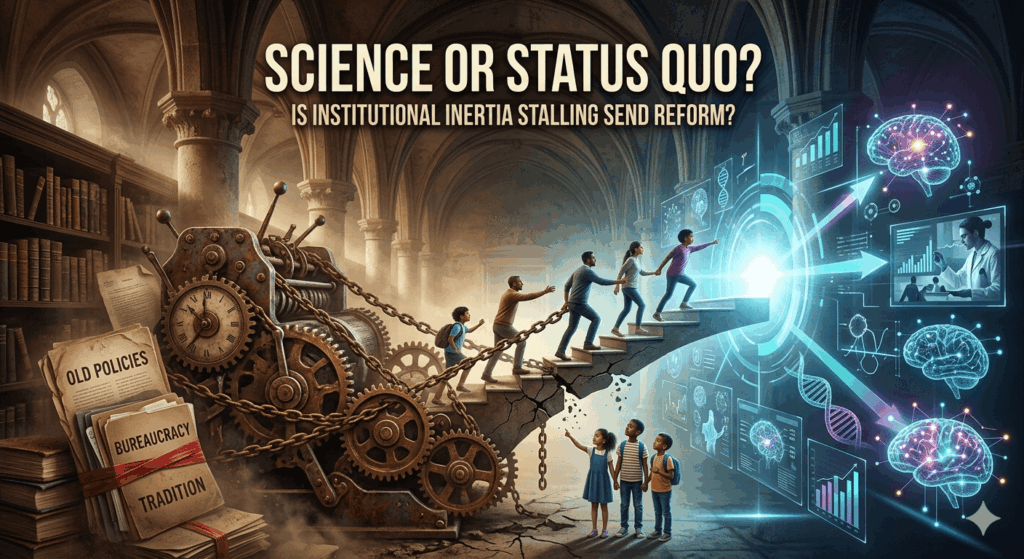
The Education Endowment Foundation’s (EEF) recent response to the Department for Education’s SEND consultation feels like a masterclass in institutional inertia. As reported in Schools Week, the EEF warned that “significant evidence gaps” on what works for SEND pupils could pose a major challenge to the government’s upcoming inclusion reforms.
Magnificent Humans: Why we must cultivate curiosity.

The UK education landscape is at a crossroads. As we move toward the ten-year vision outlined in the Department for Education’s (DfE) Every Child Achieving and Thriving White Paper, the focus is shifting towards “support-first” models. At the heart of this shift is the recognition that inclusion, belonging and relationships are central to short, medium and long term outcomes for our next generation.
Mending the Safety Nets: Why the Future of Youth Justice Lives in Our Schools

The “once-in-a-generation” youth justice reform announced on Monday marks a decisive shift from a system that is reactive to one that is truly preventative.
The Youth Justice White Paper acknowledges that while proven offences by children have fallen, the remaining cohort presents a “crisis of complexity,” with 80% of cautioned or sentenced children having special educational needs.
Beyond the Hype: The Betamax Effect

In the 1970s, the world witnessed a classic tech showdown: VHS versus Betamax. By most technical accounts, Betamax was the superior product. Yet, thanks to a strategic deal with Blockbuster and a broader distribution network, VHS became the household name, while Betamax was relegated to a historical footnote.
The Inclusion Architect: Why Design Thinking Beats Incrementalism in SEND Reform

The Department for Education’s (DfE) White Paper, Every Child Achieving and Thriving, represents a generational shift, mandating that every secondary school provide an inclusion base to ensure pupils with SEND can remain within their mainstream communities.
How the “Summer Silence” is Fuelling our Youth NEET Crisis

The current approach to youth unemployment in Britain is fundamentally a reactive one. We wait until a young person has already fallen out of the system before the machinery of the state kicks in. By then, the damage is often irreversibly done.
Beyond the Grade: Why Virtual School Heads Are Really Angel Equity Investors
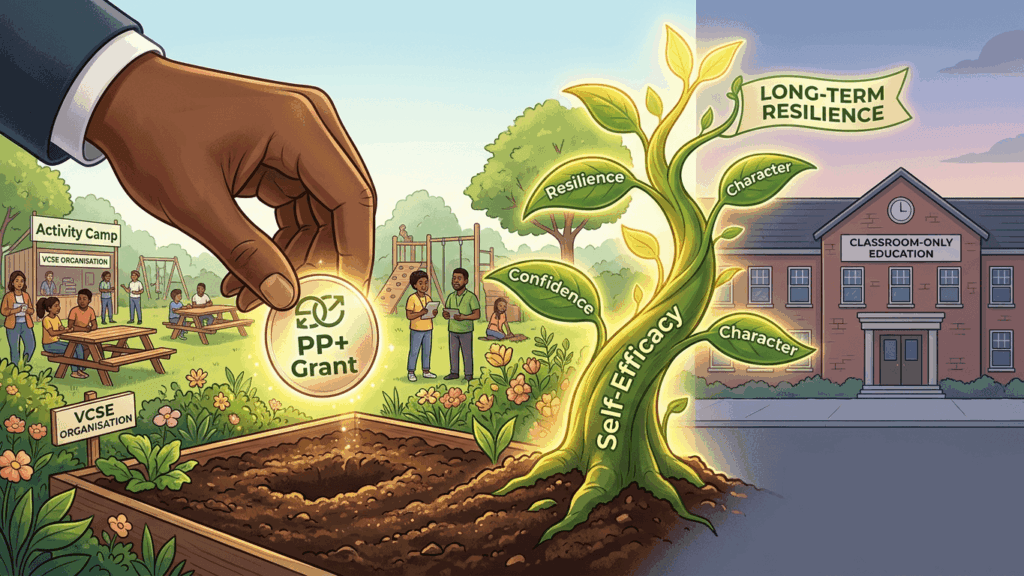
They are the lead equity investor in a portfolio of valuable young lives. Every pound of the Pupil Premium Plus (PP+) grant is capital they deploy to close a widening gap, but the most insightful investors know that the highest returns aren’t found in short-term exam results.